 Quick access.
 Open: 8:00 am - 8:00 pm
  2715 Old Minden Road




AVAILABLE TODAY
STD/STI testing
Fast. Discreet. Easy.
At Fast Pace Health, we understand that your health and well-being are a top priority. That’s why we offer confidential, fast, and reliable sexually transmitted infection (STI) testing to help ensure that you can stay on top of your health with ease and confidence. Whether you’re experiencing symptoms or need routine screening, our experienced healthcare professionals are here to help you get the care you need when you need it most.
Based on the CDC recommendations for STI screening, a comprehensive STI panel typically includes testing for chlamydia, gonorrhea, syphilis, HIV, hepatitis B, trichomoniasis, and herpes simplex virus . Testing recommendations are based on symptoms, age and risk factors.

No insurance? We offer affordable self-pay pricing.
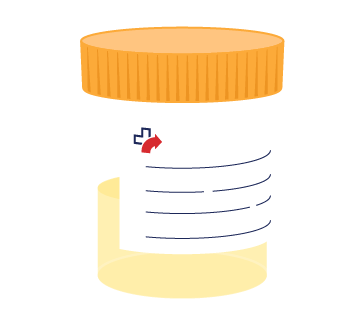
Urine Only
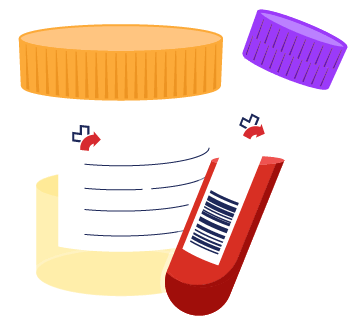
Blood & Urine
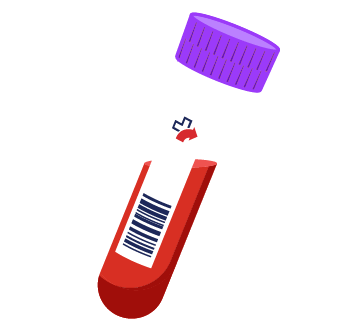
Blood Only
What You Can Expect During Your Visit
When you visit Fast Pace Health for STI testing, you’ll be seen by one of our experienced healthcare providers. Here’s what you can expect:
-
Consultation: During your visit, we’ll talk with you about your health history and any symptoms you may be experiencing. Our goal is to make sure we’re providing the right tests based on your needs.
-
Testing: We offer both urine and blood tests for different types of STIs, and in some cases, swabs. Testing is quick, easy, and usually doesn’t take long at all.
-
Results: Once your results are ready, we’ll contact you directly, typically within a few days. If you need any follow-up care, we’ll provide guidance on the next steps.
-
Treatment (if necessary): If you test positive for any STI, we’ll work with you to create a personalized treatment plan to help you get back to feeling your best. This can include counseling, prescriptions or referrals as needed.

Why is STD testing important?
Even if you don’t have symptoms, you could still be carrying an STI and unknowingly passing it to others. Regular testing is essential to help catch infections early and prevent complications. Early detection and treatment can help protect your health and the health of your partners.

We test for these STDs:
Chlamydia
Chlamydia is one of the most common sexually transmitted infections in the United States, often causing no symptoms but potentially leading to serious complications like pelvic inflammatory disease and infertility if left untreated. The CDC recommends annual screening for all sexually active women under 25 and older women with risk factors, as the infection is easily cured with antibiotics when detected early.
Gonorrhea
Gonorrhea is a bacterial infection that can affect the genitals, throat, and rectum, with most infections being asymptomatic but capable of causing serious reproductive health problems. Like chlamydia, annual screening is recommended for sexually active women under 25 and those at increased risk, and the infection responds well to antibiotic treatment.
Chlamydia
Syphilis is a bacterial infection that progresses through stages if untreated, starting with a painless sore and potentially leading to serious complications affecting the heart, brain, and other organs years later. The CDC now recommends screening for all sexually active people ages 15-44 in areas with higher rates of infection, as early detection allows for simple, effective treatment with antibiotics.
HIV (Human Immunodeficiency Virus)
HIV (Human Immunodeficiency Virus) is a virus that attacks the immune system and, without treatment, can progress to AIDS, but modern medications allow people with HIV to live long, healthy lives with undetectable viral loads. The CDC recommends that all adolescents and adults be tested for HIV at least once, with more frequent testing for those at higher risk, as early diagnosis and treatment are crucial for health outcomes.
Hepatitis B
Hepatitis B is a viral infection that affects the liver and can be transmitted through sexual contact, with some people developing chronic infection that may lead to cirrhosis or liver cancer over time. While vaccination is the best prevention, screening is recommended for those at increased risk, including people with multiple sexual partners and men who have sex with men.
Trichomoniasis
Trichomoniasis is the most common non-viral sexually transmitted infection in the United States, caused by a parasite that typically affects the vagina in women and the urethra in men. Most people with trichomoniasis have no symptoms, but the infection can increase the risk of other STIs and pregnancy complications, making screening important for sexually active individuals, particularly women.
Herpes Simplex Virus (HSV)
Herpes Simplex Virus (HSV) is a viral infection that causes recurrent outbreaks of painful blisters or sores in the genital area, with HSV-2 being the most common cause of genital herpes, though HSV-1 (typically associated with cold sores) is increasingly causing genital infections. While there is no cure for herpes, antiviral medications can reduce outbreaks and decrease the risk of transmission to partners, and many people with herpes have mild or no symptoms.
We accept most major insurance plans.
No insurance? No problem. We offer a simple self-pay option.
Fast Pace accepts most private insurance plans. All payments, including your co-pay,
coinsurance, and/or deductible, are due at the time of service.
3 easy ways to verify your insurance:

Chat with us

Check your insurance card

Verify with our front desk
Frequently asked questions
It depends on your individual risk factors. For example, screening is recommended annually for sexually active women under the age of 25 and for those women 25 years and older if you are at increased risk with multiple partners or have unprotected sex. See link below for complete guidelines.
(https://www.cdc.gov/std/treatment-guidelines/screening-recommendations.htm)
STD testing includes testing for multiple infections. Some of these result in 24-48 hours for example chlamydia and gonorrhea. Others such as HIV if tested can take up to 5-7 days.
No, you can get tested whether or not you have symptoms. Some STIs don’t show symptoms, which is why regular testing is important. Screening recommendations are for asymptomatic individuals.
If you test positive for an STI, we’ll provide you with the support and treatment you need. Treatment plans vary depending on the infection, but we’ll be with you every step of the way to make sure you get the care you deserve.
Results are typically available within a few days. We’ll notify you as soon as your results are ready.